Kling AI Video Generator vs Veo 3.1: Which One Should You Use?
Kling 3 and Veo 3.1 Fast are the two premium models creators compare most. Here is how the Kling AI video generator stacks up against Veo 3.1 Fast — specs, prompts and when to use each.

Written by Vincent Park
Published

The Kling AI video generator built by Kuaishou — Kling 3 — is one of two premium models most creators compare before they pick an app: the other is Google DeepMind's Veo 3.1 Fast. Kling 3 wins on shot length, multi-shot control and multilingual dialogue; Veo 3.1 Fast wins on native sound design and turnaround speed. Both run inside VIBE, so you can generate the same prompt on each and judge the result yourself.
In one sentence
The Kling AI video generator is Kuaishou's Kling 3 model — a text- and image-to-video system that renders up to 15 seconds of footage with multi-shot camera control and native multilingual dialogue, and it sits alongside Google's Veo 3.1 Fast as one of the two most-requested premium models in VIBE.
What Is the Kling AI Video Generator?
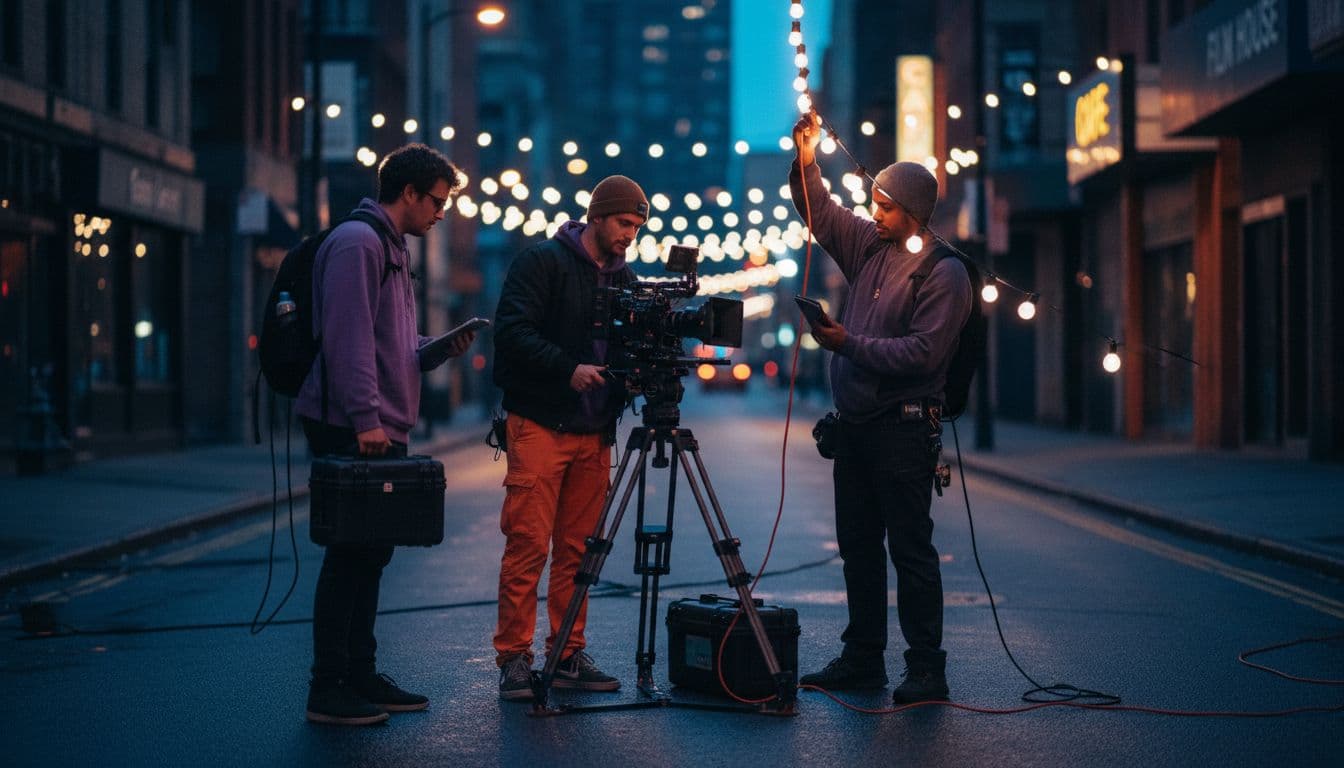
Kling is built by Kuaishou Technology, the Chinese short-video company behind the Kuaishou app. Kuaishou announced Kling 3 in February 2026, adding a multi-shot storyboard tool that lets a single prompt control duration, shot size, camera movement and perspective across several connected shots, plus native dialogue generation in English, Chinese, Japanese, Korean and Spanish so characters in the same scene can speak different languages. Kuaishou's own spec sheet advertises resolution up to 4K for its highest tier; inside VIBE, Kling 3 renders at 1080p, tuned for fast mobile delivery rather than maximum file size.
As of September 2026, VIBE offers Kling 3 in two tiers — Kling 3 Pro and Kling 3 Standard — both able to turn a written prompt or an uploaded photo into a moving clip of up to 15 seconds. That is nearly double the length of most competing premium models, which is why Kling is the model creators reach for when a shot needs to breathe: a slow push-in, a multi-beat action sequence, or a scene with more than one speaking character. For the full lineup, including Alibaba's Wan 3.0, see our model-by-model breakdown.
What Is Veo 3.1 Fast, and Why Do People Compare It to Kling?
Veo 3.1 is Google DeepMind's video generation model, and "Fast" is the lower-latency tier built for quicker, cheaper generations without giving up DeepMind's signature feature: native audio. Veo 3.1 generates dialogue, sound effects and ambient noise in the same pass as the picture, so a beach scene arrives with waves and wind already mixed in — no separate sound-design step.
In VIBE, Veo 3.1 Fast renders 1080p clips up to 8 seconds long from a text prompt (image-to-video is not available on this model inside the app). That shorter ceiling is the trade-off for speed: Veo 3.1 Fast is built to get a usable, well-mixed clip back to you quickly, which is exactly why creators reach for it for single-shot ads, reaction clips and anything that needs clean, synced audio without extra editing.
Kling 3 vs Veo 3.1 Fast: Specs Compared Side by Side
| Feature | Kling 3 (in VIBE) | Veo 3.1 Fast (in VIBE) |
|---|---|---|
| Resolution | 1080p | 1080p |
| Max clip length | Up to 15 seconds | Up to 8 seconds |
| Native audio | Yes — multilingual dialogue and voices | Yes — dialogue, sound effects and ambience |
| Image-to-video | Yes | No (text-to-video only) |
| Multi-shot control | Yes — storyboard multiple connected shots | No — single continuous shot |
| Best for | Longer, multi-beat scenes and multi-character dialogue | Fast turnaround with clean, synced sound |
- Choose Kling 3 when the shot needs more than 8 seconds to land, when you're animating a still photo, or when two characters need to speak different languages in one scene.
- Choose Veo 3.1 Fast when the sound is the point — dialogue, foley or ambience — and you want it generated in the same pass as the picture.
- Both models are premium in VIBE, so the real decision is about the shot you're trying to make, not price.
How Do AI Video Creation Tools Like These Actually Work?
Both models are trained on huge paired datasets of video and text, then learn to predict the next sequence of frames — and increasingly the matching audio — from a written description, the same way a language model predicts the next word in a sentence. Kuaishou and Google DeepMind take different bets on where to spend that computation: Kling pushes it toward longer sequences and multi-shot consistency, while Veo 3.1 pushes it toward tightly synced native audio in a shorter window. Neither approach is objectively better — they're optimized for different jobs, which is why VIBE keeps both available side by side instead of picking one.
 Kling 3 Pro
“A chef in a busy open kitchen tosses vegetables in a wok, camera pushes in slowly, steam rises and catches the overhead light, second shot cuts to the plated dish sliding across the counter, warm restaurant ambience.”
Which Should You Use: Kling 3 or Veo 3.1 Fast?
- Start with the shot length you actually need. Anything past 8 seconds, or a sequence built from more than one camera angle, points to Kling 3.
- Check whether sound carries the scene. If a line of dialogue or a specific sound effect is the whole point, Veo 3.1 Fast's native audio saves you a separate audio pass.
- Decide if you're animating a photo. Kling 3 accepts an image as a starting frame in VIBE; Veo 3.1 Fast in VIBE is text-to-video only.
- If you're unsure, generate the same prompt on both — VIBE doesn't lock you into one model per project, so comparing costs you two credits, not a rewrite.

 Veo 3.1 Fast
“A barista slides a coffee cup across a marble counter, says "here you go" with a smile, espresso machine hissing in the background, morning light through a café window, natural room tone.”
What Features Should You Look for in an AI Video App?
Whichever model you lean toward, the app around it matters as much as the model. Before you commit to one, check for the basics that decide whether you'll actually finish a project in it.
- More than one premium model — Kling 3, Veo 3.1 Fast, Sora 2 Pro and others, so you're not stuck when one model is wrong for a shot.
- A genuine free tier — models like Seedance Pro Fast or Wan 2.6 that don't require a subscription to test the app.
- No forced account creation to generate your first clip.
- Both text-to-video and image-to-video, since not every idea starts as a blank page.
- Native mobile apps and web, so the same project follows you between devices.
How to Generate a Video With Either Model in VIBE
- Open VIBE and tap the model picker, then choose Kling 3 Pro, Kling 3 Standard or Veo 3.1 Fast from the full model list.
- Write your prompt, or, for Kling 3, upload a starting photo instead.
- For Kling 3, set the number of shots and duration up to 15 seconds; for Veo 3.1 Fast, describe the dialogue or sound you want mixed in.
- Generate, then compare — switch models on the same prompt without losing your work.
- Export in the aspect ratio your platform needs and post directly, or save to your camera roll.
Kling 3 vs Veo 3.1 Fast for TikTok, YouTube and Instagram Creators
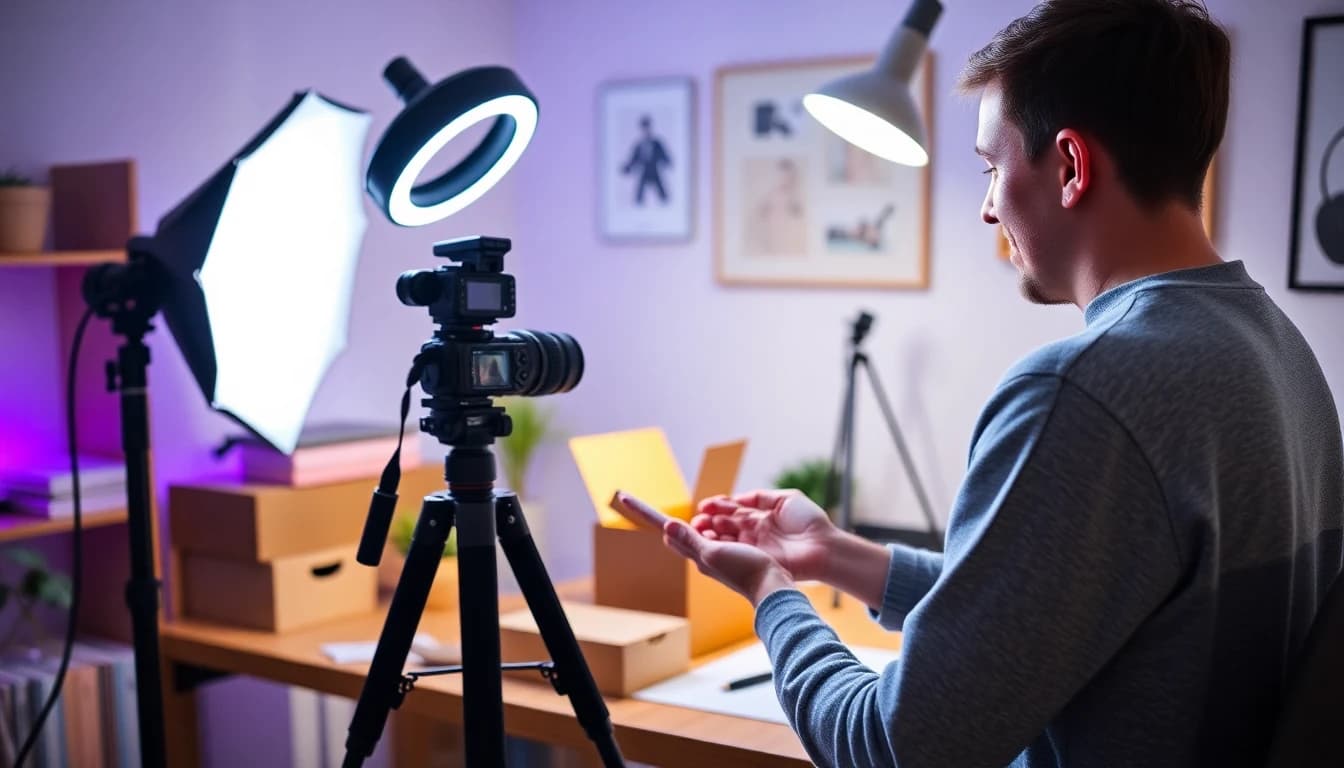
For a TikTok or Instagram Reel built around a punchline of dialogue, Veo 3.1 Fast's native audio usually gets you to a postable clip faster, since the sound is already mixed in. For a longer YouTube Short or a product demo that needs two or three connected shots — a wide, then a close-up, then a reveal — Kling 3's multi-shot control and 15-second ceiling do more of the editing for you before you ever open a timeline. Neither choice is permanent: creators building a full video routinely generate the dialogue-heavy beats in Veo 3.1 Fast and the longer establishing shots in Kling 3, then edit the clips together, a pattern our guide to writing AI video prompts covers in more depth. Our AI video model comparison has the rest of the lineup if you want to see how Kling 3 and Veo 3.1 stack up against Sora 2 Pro and Seedance.
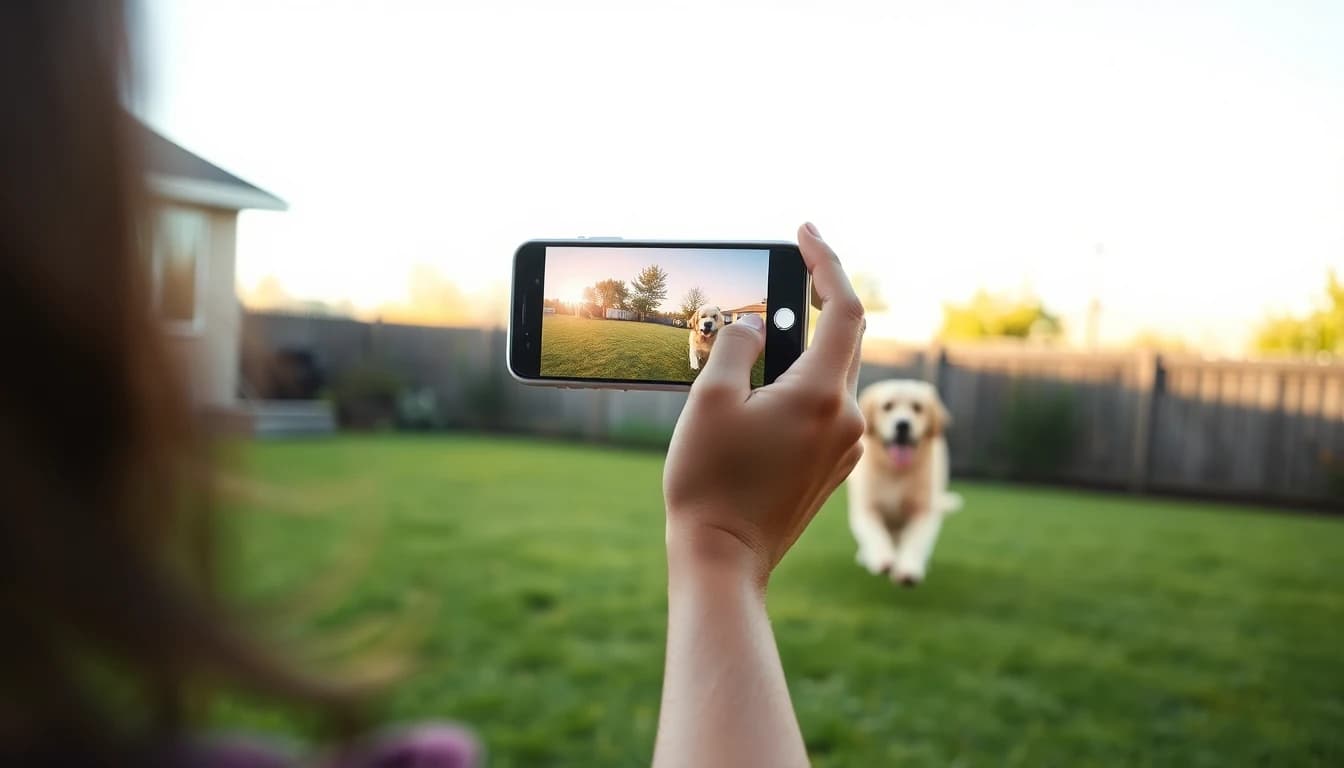
Kling 3 Standard“Animate this photo: the dog lifts its head, ears perk up, tail starts wagging, camera holds steady, soft afternoon light, natural outdoor ambience.”
Frequently Asked Questions
Is the Kling AI video generator free?
Kling 3 is a premium model inside VIBE, not part of the free tier. VIBE's free models — Seedance Pro Fast, LTX Video, Luma Dream Machine, Wan 2.6 and PixVerse — let you generate without a subscription; Kling 3 Pro and Kling 3 Standard use paid credits.
What is the maximum video length for Kling 3?
Inside VIBE, Kling 3 generates clips up to 15 seconds long, roughly double the 8-second ceiling of Veo 3.1 Fast, which makes it the better choice for multi-beat or multi-shot sequences.
Does Veo 3.1 Fast generate audio?
Yes. Veo 3.1 Fast generates dialogue, sound effects and ambient noise natively in the same pass as the video, so clips arrive with sound already mixed in rather than needing a separate audio step.
Can Kling 3 animate a photo, and can Veo 3.1 Fast?
Kling 3 in VIBE supports image-to-video, so you can upload a photo and animate it. Veo 3.1 Fast in VIBE is text-to-video only as of September 2026.
Which model is better for TikTok and Instagram Reels?
For a short, dialogue- or sound-driven clip, Veo 3.1 Fast's native audio usually gets you to a postable result faster. For a longer Reel or Short built from more than one shot, Kling 3's multi-shot control and 15-second length do more of the work.
Do I have to choose one model for my whole project?
No. VIBE lets you generate different shots in different models within the same project, so many creators use Veo 3.1 Fast for dialogue-heavy beats and Kling 3 for longer establishing or multi-shot sequences, then edit the clips together.
Do I need an account to try Kling 3 or Veo 3.1 Fast in VIBE?
No sign-up is required to start generating in VIBE. You can try the free models immediately, and premium models like Kling 3 and Veo 3.1 Fast are available from the same model picker.
Start Creating AI Videos Today
Download VIBE for free on iOS and Android. No login required. Access 10+ AI video models and generate videos from text prompts or images.


Keep reading
All articles Model news
AI Video Generation Models Explained: The Best Models in 2026 Compared
Veo 3.1 Fast, Kling 3 Pro, Sora 2 Pro, Wan 3.0 and Seedance Pro Fast each do something different. Here is how the specs, audio and cost tiers compare, with real prompts for each one.
Vincent Park10 min read Model news
WAN 3.0 Is Now Live in VIBE: 30-Second AI Videos With Audio on iOS and Android
Alibaba’s WAN 3.0 renders up to 30 seconds with audio in a single pass. Here is what changed, the three input modes available in VIBE, and how to prompt a long take.
Vincent Park7 min read